
Volunteering by helping a neighbour: what if engagement started on your doorstep?
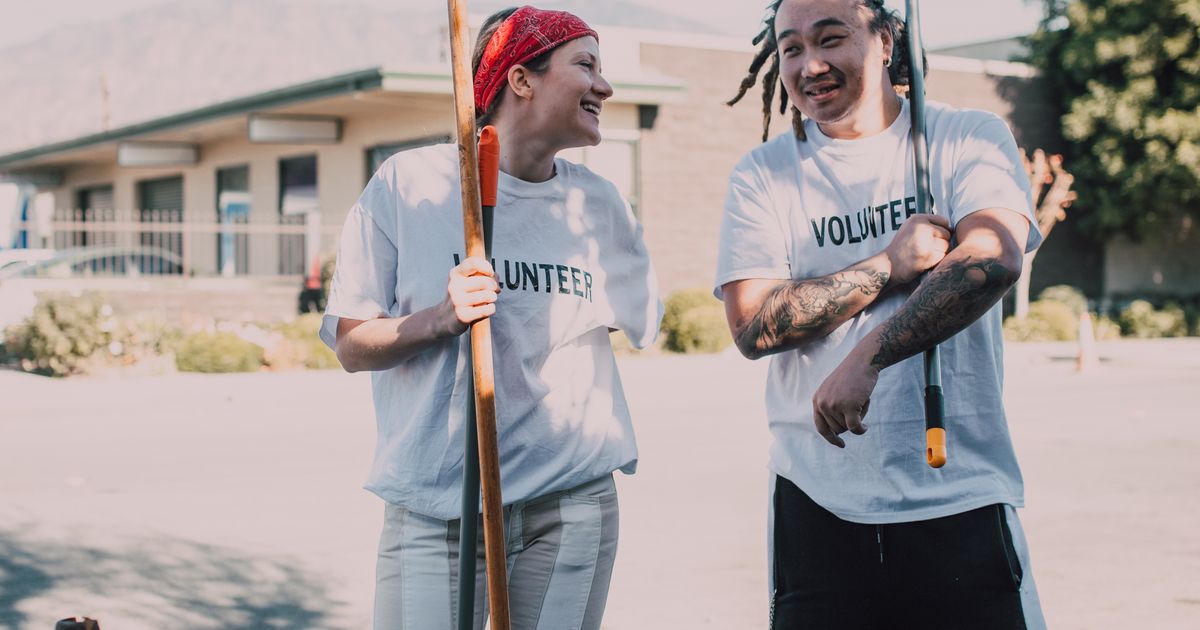
We tend to picture volunteering as something organised: an association, a mission, a schedule. That's true — but engagement starts much closer to home. Sometimes on the very same landing.
Helping an elderly neighbour carry the shopping, watching the kids next door during an appointment, explaining how to fill in an online form, or simply knocking on a door to check in: these gestures have no official name, but they do exactly what volunteering does. They build connection, break isolation, and make a neighbourhood more liveable.
A simple gesture, a real impact
The neighbourhood is the first circle of solidarity, and the most immediate. A few examples of what "helping a neighbour" can mean:
- Everyday help: the shopping, a shared meal, taking in a parcel, a hand with moving.
- Easing loneliness: dropping by to see an elderly or isolated person, a coffee, a five-minute chat on the doorstep.
- Digital support: helping someone use a phone, access a public service online, avoid a scam.
- Looking out for one another: checking on a vulnerable person during a heatwave or a cold snap, flagging a worrying situation.
Nothing spectacular. But put end to end, these gestures hold up a large part of what keeps a society together: attention to others.
Why it matters so much
Isolation is one of the great silent ills of our time, and it hits older people especially hard. Many go several days without a real exchange. In that context, a present neighbour is no small thing: sometimes it's the only regular link with the outside world.
Helping close to home also has a unique advantage: regularity and proximity. No need to travel far or block out half a day. You can act in a few minutes, often, over time — which is precisely what vulnerable people need most.
Initiatives that scale it up to the neighbourhood
Mutual help between neighbours has also become more structured. Several schemes help build connection at the scale of a building or a street:
- La Fête des Voisins and the Voisins Solidaires network, which encourage neighbourly help all year round.
- Voisin'âge (Les Petits Frères des Pauvres), which connects residents with isolated elderly people in their neighbourhood.
- Local mutual-aid networks and neighbourhood apps, which let you offer or request a helping hand nearby.
These initiatives show one thing: a spontaneous impulse can turn into lasting engagement, as soon as it's given a framework.
From spontaneous help to chosen commitment
If helping your neighbour does you good — and does good around you — it's often a sign that "organised" volunteering would suit you too. The good news is that it extends exactly what you already do, while giving you more ways to act:
- you reach more people than your own neighbourhood;
- you're supported by an association and other volunteers;
- you choose a cause and a pace that suit you.
Many missions actually look a lot like helping a neighbour, just more organised: supporting elderly people, friendly visits, help with paperwork, social connection in the neighbourhood. That's the whole spirit of community-life missions.
How to take the step
You don't need much to get started:
- Keep doing what you already do — a hello, a favour, a presence.
- If you want to go further, look for a volunteering mission near you: by town, by neighbourhood, or even remotely.
- Not sure where to start? Our guide on becoming a volunteer walks you through it, step by step.
Engagement doesn't have to be heroic to count. It often starts right nearby: on a landing, in a stairwell, around the corner. And from there, it can go a very long way.